
MOSF 19.6: Media Biases 2024: Hysteria, Hype, and Hate
Memoirs of a Superfan Vol. 19.6: Media Biases 2024: Hysteria, Hype, and Hate
How cultural, cognitive, emotional, and narrative biases affect us all
by Ravi Chandra
July 17, 2024
Ironically, a version of this article was submitted to Psychology Today, and a highly redacted, edited, and re-titled version was posted. Sigh. Pay no attention to the editors behind the green curtain. The complete article (with a couple of additions for East Wind) follows. The psychological media is avoidant of politics, and the political media is avoidant of psychology – leaving our “psychic media” rather confused and unable to connect the dots. These essays at East Wind have tried to bridge the gap since 2020. Please consider donating so we can support the writers and website. I continue to be a volunteer.
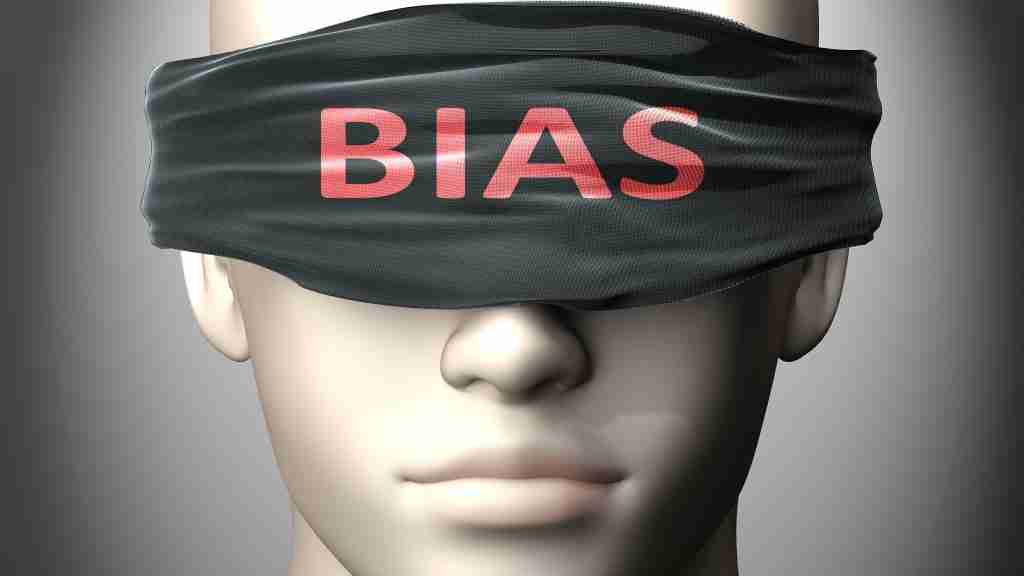
We all have biases, but by becoming aware of them, we can minimize or even overcome them. There is a spectrum of bias from unconscious (implicit and cultural) assumptions to overt and consciously manipulative ideologies. The most dangerous of these to my audience here at East Wind are racist, sexist, homophobic, anti-immigrant, transphobic, anti-democratic and supportive of abusive power in general. When projected by mass media, biases might land on and inflame our own tendencies towards confirmation bias and cognitive rigidity, as opposed to encouraging cognitive flexibility and growth. They might also cause us distress and require emotional labor. As a psychiatrist, I favor humanitarian, inclusive, compassionate, and egalitarian ways of framing issues, as well as reason-based, thoughtful inquiries and comparisons. It’s emotional labor to deal with stimuli that don’t favor, broaden and build upon these preferences – and many of us are having to do a lot of emotional labor these days.
In other words, I’m often frustrated by what I see in the media. I’m not unlike most Americans in that regard. Only 34% of Americans trust the media to report the news “fully, accurately and fairly” according to a 2022 Gallup poll, down from about 70% in the early 1970s. Trust is particularly low amongst Republicans and Independents, but it is unclear to me whether that reflects their own cultural biases or the views of the media they do tune into, or an actual liberal bias in the media. Youth trust social media almost as much as legacy media, per Pew.
Many of us don’t fully trust the mainstream media, and that may be in part because we feel they are biased. By naming potential media biases, we can demand that they do better and choose sources that better inform us and hopefully help us counter our own biases in order to amplify what I call the building blocks of mental and social health: cognition, empathy, and relatedness. Given my preferences named above, I think the worst biases are those that work against these building blocks in favor of anti-intellectualism, self-centeredness, and division. In other words, hype, hysteria, and hate. To note, some political candidates lean into hype, hysteria, and hate as well, for all the same reasons media does.
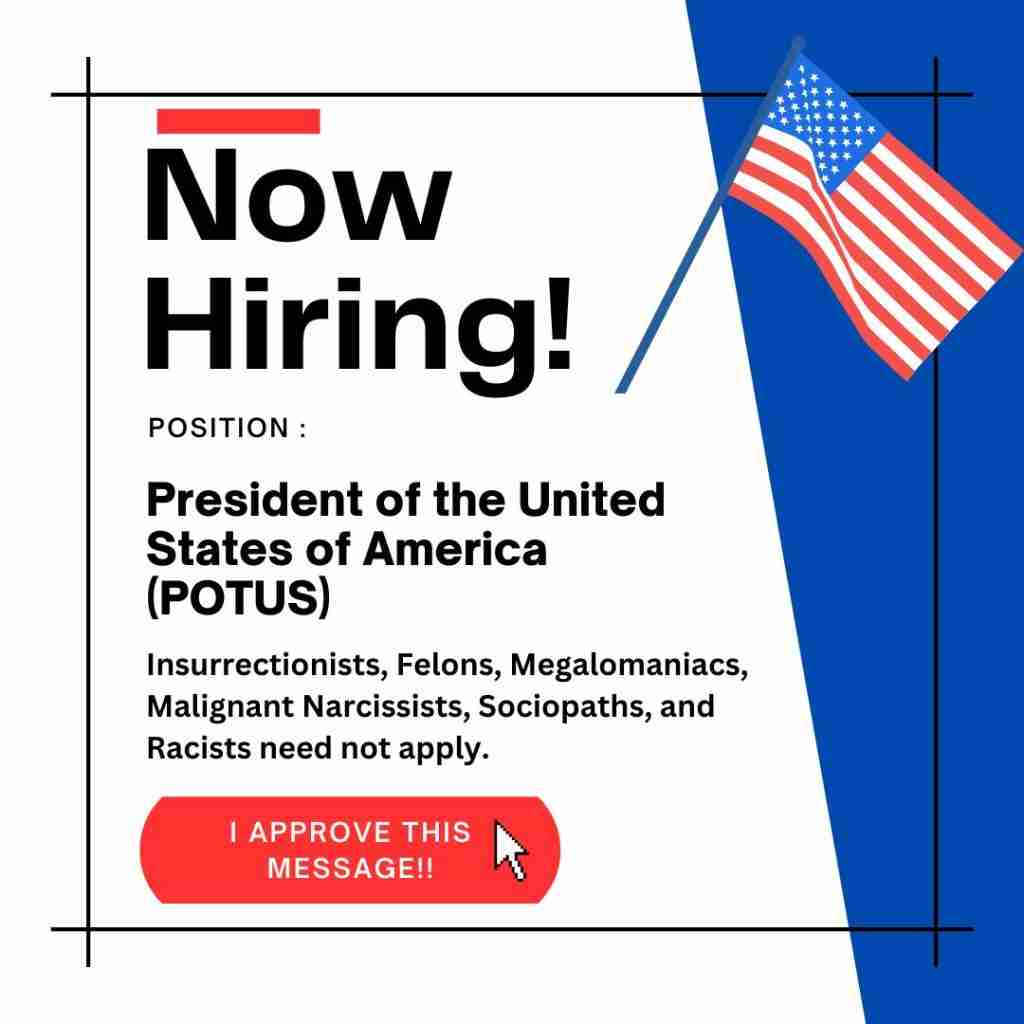
Examples of biases (and there is overlap between these categories):
Editorial selection. Only certain facts and stories are chosen to support the desired narrative, while counterfactuals and alternative stories are devalued and eliminated. The polarized extremes are often highlighted at the expense of the broad agreement of centrists. Studies have indicated that there is broad agreement on immigration reforms and gun regulation, for example, but this doesn’t get the attention it deserves. Another example: today’s NYT headline originally showcased J.D. Vance’s selection as President Trump’s “concern for the future of the MAGA movement,” and was later changed to choosing an “inheritor” – rather than focusing on Trump’s desire to have a loyalist who has agreed that he would not have certified the 2020 election for Biden.
Attention economy. All media wants our eyeballs and clicks. Sober reporting on policy proposals, achievements, and failures might be seen as wonky and boring – so editorial teams might strive to engage us on an emotional level.
Media as the Fourth Estate. Rather than limiting their purview to informing the public and key decision-makers, and holding power to account, media can be seen as trying to magnify their authority.
Visual bias. Photos and images are chosen to enhance an aspect of the story. For example, what was soon called the “iconic image” of President Trump mouthing “fight” and pumping his fist after the rally shooting led many stories, enhancing an image of the “defiant hero,” and perhaps underplaying his instincts as a savvy media manipulator.
Both-sidesism and avoidance masquerading as “neutrality.” Sometimes two points of view are presented without kicking the tires, or salient issues are avoided entirely out of service to the value of “neutrality.” I always wonder what might be different if the emphasis was on fairness, thoroughness, and asking hard questions to bolster the public’s reasoning capacity and attention to substance.
Spin, slant, and outright lies. Facts are “spun” and “slanted” to support a narrative; unsubstantiated claims and opinions are promoted as truth. For example, much of the media has been in a tizzy about President Biden’s lackluster debate performance, leading to calls for him to drop his bid for re-election in favor of a younger candidate. However, as I pointed out in a prior article, this was all speculation based on poll numbers and opinion, not actual facts about cognitive ability vs. verbal fluency. In fact, relatively stable poll numbers and the tentative election forecast of experts such as Professor Allan Lichtman of American University favoring a win for President Biden in November get minimal attention.
Appeal to emotions rather than reason. For example, amplifying anxieties, fears, and the “survival brain” responses of readers, without balancing emotions with reason to cultivate the “wise mind.” This also can involve ad hominem attacks, and flawed logic. Certain words are used to prime responses (for example “illegal aliens” vs. “undocumented migrants.”) Another example, the common trope, “if it bleeds, it leads.”
Cultural bias. A study by Perina and Wai found that the vast majority of writers and editors at the New York Times and Wall Street Journal came from elite schools which select for high average SAT/ACT scores. The authors proposed that this meant that these individuals were “cognitively elite” and not simply “culturally elite.” It’s possible and even quite likely that culture – shared backgrounds, experiences, identities, relationships, assumptions, values, and interests – might motivate and inform these journalists rather than supposed “cognitive ability” alone. There’s also an implicit bias that a particular kind of cognition, reflected in test scores, reflects a higher capacity to think about issues.
Institutional bias. Noam Chomsky famously theorized about the “manufacture of consent” in mainstream media, particularly consent around cultural imperatives such as war and wealth. Thus, institutional biases can bend attention and influence populations towards these cultural goals, either consciously or unconsciously, and limit discussion on countervailing arguments.
Journalistic mind reading, rather than informed psychiatric and psychological opinion. Journalists might speculate on motivations, but they are not trained to make character analyses and informed predictions of future behavior. In my observations over the last 8 years, they have rarely involved experts. Personally, I wonder if this is due to a stigmatization of mental health and thus mental health expertise. Or possibly, journalists have been affected by the American Psychiatric Association’s imprimatur against professional opinions on public figures (the so-called “Goldwater Rule” – in itself a major bias that many have questioned.) Also, as noted above, media may want to amplify its authority at the expense of mental health expertise.
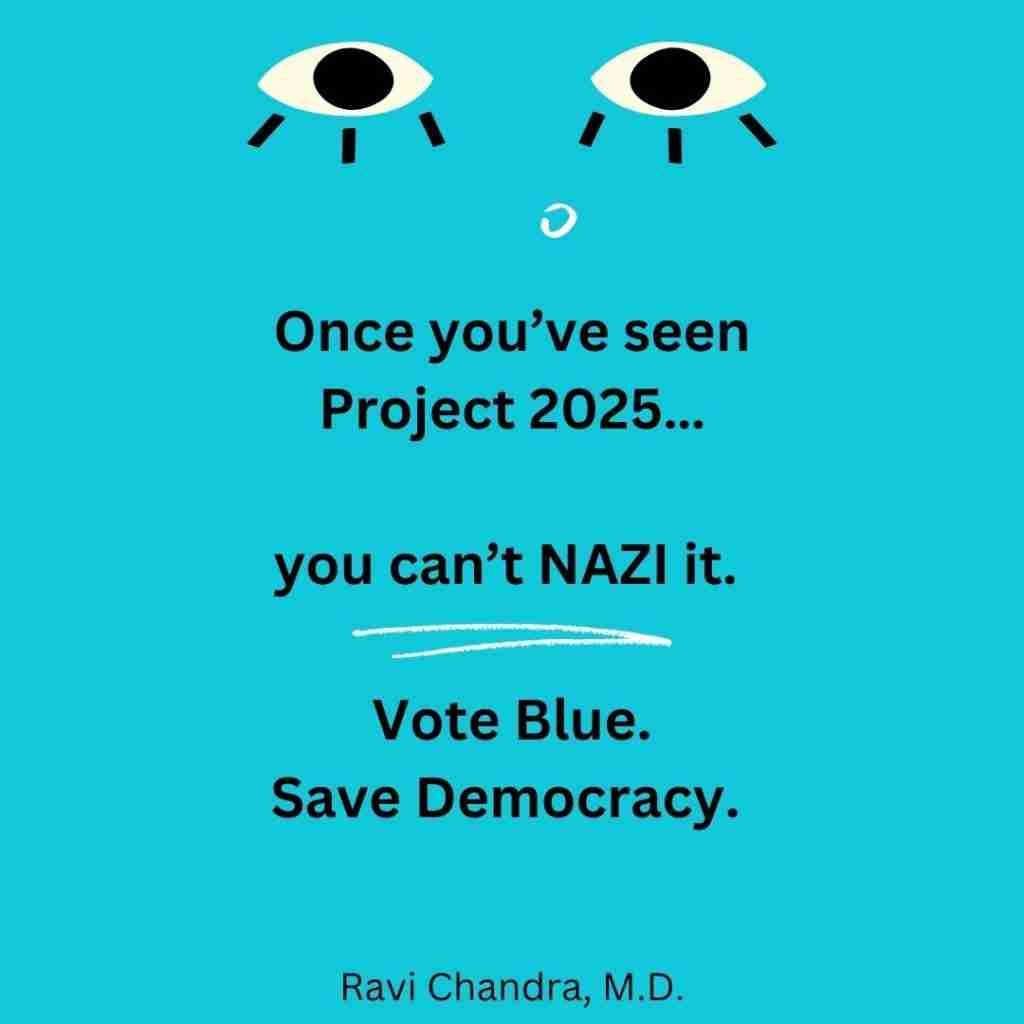
There are specific biases in the presidential campaign reporting that I’m noting:
Covering elections as horse-races. Media breathlessly report on polling data. They use polling data to try and influence campaigns. As noted, Biden has been implored to drop out based on polling data. But polling data have been remarkably unreliable, and media rarely report on the structural biases of polls. (I follow Jay Kuo’s Substack for his informed opinions about polling and other aspects of the election.)
Age-ism, and bias towards masculine physical strength. Elections are covered as a head-to-head battle-royale or boxing match. The bias is then towards which candidate appears physically “stronger” or projects the best media image. Much is made of President Biden’s stiff, slow gait.
Covering elections is more about media perceptions than policy substance. Much is made of President Biden’s often gaffe-prone phrasing. I would note that he’s been gaffe-prone for his entire public life. David Brooks noted that media, focused on language, makes much of these gaffes because they tend to emphasize verbal fluency, which does not meet the standards of a cognitive exam. “We’re all in the communication business, and so … smooth articulation is super important to all of us. And when we see Joe Biden not smoothly articulating, we assume it’s an indictment on his entire cognitive abilities.”
Meanwhile, relatively little is said about Mr. Trump’s rambling speeches or non sequiturs.
Project 2025 hasn’t gotten enough attention. Relatively little has been published in mainstream media about Project 2025 and its connections to the Trump Agenda 47.
There’s a Buddhist saying that the mind can be like a jar of muddy water. If you allow it to come to rest, it will clear, and you can even drink from it. As I encouraged in my last post, let’s do this, so our cool heads and warm hearts can prevail.
© 2024 Ravi Chandra, M.D., D.F.A.P.A.
References and for further reading:
Chandra R. Political Rally Shooting: Keeping Cool Heads and Warm Hearts. Psychology Today, July 14, 2024
Chandra R. Executive Function: Does America Have a Judgment Problem? Psychology Today, July 12, 2024
Brenan M. Americans’ Trust In Media Remains Near Record Low. Gallup News, October 18, 2022
Liedke J, Gottfried J. U.S. adults under 30 now trust information from social media almost as much as from national news outlets. Pew Research Center, October 27, 2022
Wai, Jonathan & Perina, Kaja. (2018). Expertise in Journalism: Factors Shaping a Cognitive and Culturally Elite Profession. Journal of Expertise 2018. Vol. x(x)
Wintonick, P. Achbar, M. (Director). (1993). Manufacturing Consent: Noam Chomsky and the Media. Zeitgeist Films. Available on Kanopy.
Homan M. Professor Allan Lichtman’s 2024 presidential pick. USA Today, April 30, 2024
Chandra R. Responsible Dialogue on the “Goldwater Rule” Must Continue. Psychology Today, May 19, 2024
Chandra R. Executive Function: Does America Have a Judgment Problem? Psychology Today, July 12, 2024
Mastrine J. How to Spot 16 Types of Media Bias, Allslides.com, accessed 7/17/24
Mastrine J. Beyond Left vs Right: 14 Types of Ideological Bias. Allsides.com, accessed 7/17/24
Media Bias. Student News Daily, accessed 7/17/24
Chandra R. MOSF 19.5: Dangerous Charisma: Unpacking Trump’s Leadership and His Followers’ Mentality. East Wind eZine, July 1, 2024
Chandra R. MOSF 18.12: Election Season 2024: Deconstructing the Trump/Far-Right Playbook and Propaganda, and Constructing a Positive Response From Our Shared Humanity and Reality. East Wind ezine, December 1, 2023
Brooks and Capehart on Biden’s battle to stay in the race. PBS News Hour, July 12, 2024
Media biases uncovered. Hartford Union High School Library, accessed 7/17/24
Media Bias. Metropolitan Community College, accessed 7/17/24
Cowell L. Media Bias. Columbus State Library, accessed 7/17/24
Jay Kuo. Be practical, not problematic. The Status Kuo Substack
 Photo by Bob Hsiang, 2022
Thanks, Ric – I think insight can help our vulnerability and fragility grow into shared humanity. I’m glad I have this site at least to put out my brand of political psychology, even though it is sometimes harder to find an audience. Thanks for reading and considering!
Hi Ravi,
1) Psychology Today’s edits are their way to protect the fragile mind.
2) I’ve read Keeping Cool Heads and Warm Hearts many times grateful for your voice.
3) Our minds are fragile because the divine needs a way to reach us, but to remain healthy we need a strong Self around No Ego as Self diminishes until, finally, complete cessation occurs at death; a condition viewed in different ways.
How is it that impermanent Self works this way? Oddly, few are interested in the question, which is Self’s way of editing itself.